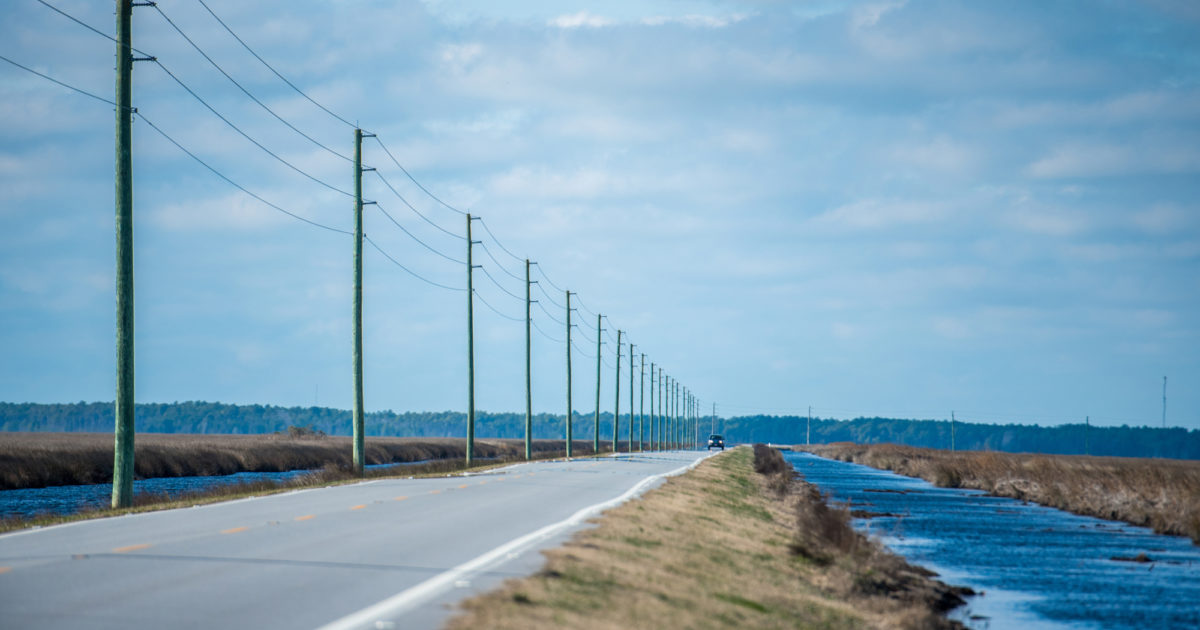
Rural broadband access is like finding Wi-Fi in the middle of the wilderness; it’s a rare delight that connects rural adventurers to the digital world! Imagine a place where farmers can stream the latest farm-to-fork trends while their kids zoom through online classes faster than you can say “buffering.” With a sprinkle of technology magic, rural areas are ready to trade in their dial-up for high-speed connections, transforming the countryside into a thriving hub of innovation.
To dive deeper, let’s unravel the key threads that weave together this essential tapestry of infrastructure, community impact, and the urban-rural digital divide. From fiber optics to satellite, we’ll explore how government funding plays a superhero role in expanding networks, making education, telehealth, and economic growth flourish like spring flowers after a long winter.
Rural Broadband Infrastructure
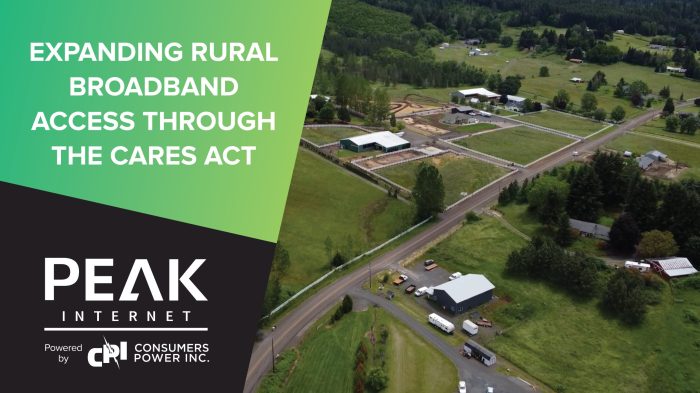
Building robust rural broadband infrastructure is like laying down the golden bricks for the information superhighway—just without the glitter and the traffic jams. It’s essential for connecting communities to the digital world, ensuring farmers can check the weather, students can attend virtual classes, and your aunt can finally learn the difference between “reply” and “reply all” in her email. Investing in rural broadband infrastructure is vital for economic growth, social inclusion, and ensuring that no one is left behind in the digital age.
The technologies that power this infrastructure come in several flavors, each with its unique benefits. Let’s dive into the various types of technologies that make rural broadband possible and the crucial role of government incentives in this grand connectivity scheme.
Types of Technologies for Rural Broadband
Rural broadband is not a one-size-fits-all solution; it’s more like a buffet where you can pick and choose your favorites. Below are the primary technologies that are being utilized to bring high-speed internet to the countryside:
- Fiber Optics: This is the Ferrari of broadband technologies. Fiber optics uses light to transmit data, offering incredibly high speeds and reliability, making it the gold standard for internet access. Unfortunately, digging trenches to lay fiber cables can often seem like a daunting task akin to searching for a needle in a haystack—if the needle were a fiber optic cable.
- Satellite: When all else fails, satellites come swooping in like superheroes. Satellite internet can be deployed in remote areas where laying cables is impractical. While it can be slower than fiber, the broad coverage is a boon for those who live on the farthest reaches of the digital map. Just remember: don’t start a video call during a thunderstorm unless you’re a fan of buffering!
- Wireless: Wireless technologies, such as fixed wireless and mobile broadband, are essential for providing internet access without the need for extensive physical infrastructure. Picture it as the superhero sidekick—fast, efficient, and always there when you need a quick internet fix, especially in areas where other options are limited.
Role of Government Incentives and Funding
Government incentives and funding are the secret sauce in the recipe for expanding rural broadband networks. Without these programs, the digital divide might widen faster than you can say “buffering.” Governments recognize the importance of bridging the connectivity gap, leading to initiatives that provide financial support, tax incentives, and grants for broadband projects. This support can take various forms, including:
- Grants: Many governments offer grants to private companies and local governments to help fund the construction of broadband infrastructure in underserved areas. These grants can turn ambitious projects into tangible realities, like transforming a dusty road into a bustling information highway.
- Tax Incentives: Tax breaks and credits for broadband providers encourage investment in rural areas. It’s like giving them a shiny new toy—who wouldn’t want to play with a tax incentive?
- Public-Private Partnerships: Collaborations between government entities and private companies can accelerate broadband deployment, pooling resources and expertise. This partnership can lead to innovative solutions that address unique rural challenges, much like a buddy cop movie where unlikely partners solve crimes together.
“Broadband infrastructure is a crucial investment in the future of rural communities, allowing them to thrive in a digital economy.”
Impact on Rural Communities
The expansion of broadband access in rural areas is like discovering a secret stash of cookies; it brings joy, opportunities, and a hint of sugar rush that can completely transform lives. With a reliable internet connection, rural communities can unlock a trove of educational resources, economic growth, and social connectivity that were previously out of reach.
Influence on Education
Improved broadband access directly enhances educational opportunities for students in rural areas. With high-speed internet, students can access a plethora of online resources, engage in virtual classrooms, and collaborate on projects with peers from around the globe without a hitch. This leap in connectivity can turn “the sleepy little schoolhouse” into a global learning hub.
-
Students can participate in online courses and tutorials, allowing for personalized learning experiences that cater to their individual needs.
- Access to educational platforms like Khan Academy or Coursera means students can learn new skills or subjects beyond their school’s curriculum, like underwater basket weaving (a vital skill, of course).
- Virtual field trips can take students from rural landscapes to the Louvre in Paris, or even to the icy depths of the Antarctic, all without leaving their classrooms.
Impact on Local Businesses and Economic Growth
Rural broadband is like a turbocharger for local businesses, boosting productivity and opening up new markets. With reliable internet, small businesses can transition from “mom-and-pop” to “mom-and-pop-and-everybody-else” by tapping into e-commerce and reaching customers far beyond their immediate neighborhoods.
- Businesses can create websites, utilize social media for marketing, and engage with customers through online platforms, which can increase sales and visibility.
- Access to cloud services allows for better inventory management and streamlined operations, transforming a local shop into a competitive player in the e-commerce arena.
- Remote work opportunities mean local talent can contribute to businesses that are not geographically limited, encouraging economic diversification and reducing out-migration.
Social Implications of Enhanced Connectivity
The social landscape of rural communities is also enriched by enhanced connectivity. With telehealth services becoming more common, residents can access healthcare professionals from the comfort of their homes, eliminating long travel times and making healthcare more accessible.
- Telehealth services allow residents to consult with doctors and specialists remotely, which is especially crucial for those with mobility issues or in areas with limited medical facilities.
- Enhanced connectivity supports remote work opportunities, enabling individuals to work for companies located in urban areas without needing to relocate, thus retaining local talent and fostering community ties.
- Social media platforms and communication tools help forge connections among residents, leading to a more cohesive community and decreased feelings of isolation.
Comparison to Urban Broadband Services
Rural broadband access may often feel like a long-distance relationship—lots of longing with not enough connection! When we pit rural broadband against its urban counterpart, it’s a tale of two worlds. The urban areas may dance with high-speed fiber optics, while rural communities sometimes struggle with a dial-up nostalgia that makes you feel like you’re stuck in the ’90s, waiting for a webpage to load as if it’s trying to bake a cake.Speed and reliability are the bread and butter of any broadband service, but the bread in rural areas sometimes feels stale.
Urban users can boast speeds faster than a caffeinated squirrel, while rural users often face buffering that could make a sloth look speedy. The battle of bandwidth is real!
Challenges Faced by Rural Users
Rural broadband users encounter a cocktail of challenges that urban dwellers can hardly imagine. Here’s a look into the difficulties, sprinkled with a bit of humor because sometimes laughter is the best bandwidth booster.The availability of services in rural areas often resembles a scavenger hunt. Some providers may offer plans that sound fantastic but come with the fine print requiring you to hunt for a signal in the back of beyond.
Additionally, costs can be higher in rural regions, where less competition leads to prices that could make your wallet gasp for air. Here’s a breakdown of these challenges:
- Service Availability: Many rural users have limited options for providers, akin to finding a needle in a haystack, or perhaps a Wi-Fi signal in a cornfield.
- Speed: Internet speeds in rural areas tend to waddle along compared to urban speeds that zoom like a sports car on a freeway. It’s not unusual for rural users to experience speeds that even a tortoise would find leisurely.
- Reliability: Connection stability can resemble a soap opera plot twist—unpredictable and full of drama. Outages can be frequent and often coincide with the most critical moments, like when you finally find the time to binge-watch your favorite show.
- Cost: The cost of broadband in rural areas can sometimes feel like a bank heist—high prices for low speeds, leaving users clutching their wallets and wondering if they signed up for a service or a second mortgage.
To further illustrate the broadband landscape, here’s a comparative table showcasing various providers in rural settings and their offerings. This is where the rubber meets the road (or, in this case, the internet meets your device):
| Provider | Speed (Mbps) | Cost per Month ($) | Availability |
|---|---|---|---|
| Provider A | 25 | 50 | Limited |
| Provider B | 50 | 70 | Moderate |
| Provider C | 10 | 35 | Widespread |
| Provider D | 100 | 90 | Very Limited |
In summary, while urban areas revel in the glory of high-speed connections, rural users are on a wild ride filled with bumps and occasional detours. They demonstrate resilience, humor, and the occasional eye roll as they navigate the broadband wilderness.
Concluding Remarks
As we wrap up our journey through the wild world of rural broadband access, it’s clear that connectivity isn’t just a luxury; it’s a lifeline! With improved access, rural communities are not only catching up but also leaping ahead, empowering individuals and local businesses to shine brighter than a thousand stars in the night sky. So, whether you’re a tech-savvy farmer or a remote worker in the hills, embrace the digital revolution and let rural broadband access be your trusty steed on this exciting adventure!
Frequently Asked Questions
What is rural broadband access?
Rural broadband access refers to high-speed internet availability in rural areas, enabling residents to connect to the digital world.
Why is rural broadband access important?
It enhances education, supports local businesses, and improves telehealth services, making a significant impact on community development.
What technologies are used for rural broadband?
Technologies include fiber optics, satellite, and wireless connections to provide internet access.
How does rural broadband compare to urban broadband?
Rural broadband often faces challenges like lower speeds and higher costs compared to urban services, but it’s crucial for bridging the digital divide.
What role does the government play in rural broadband expansion?
Governments provide funding and incentives to encourage the development and deployment of broadband infrastructure in underserved areas.


